
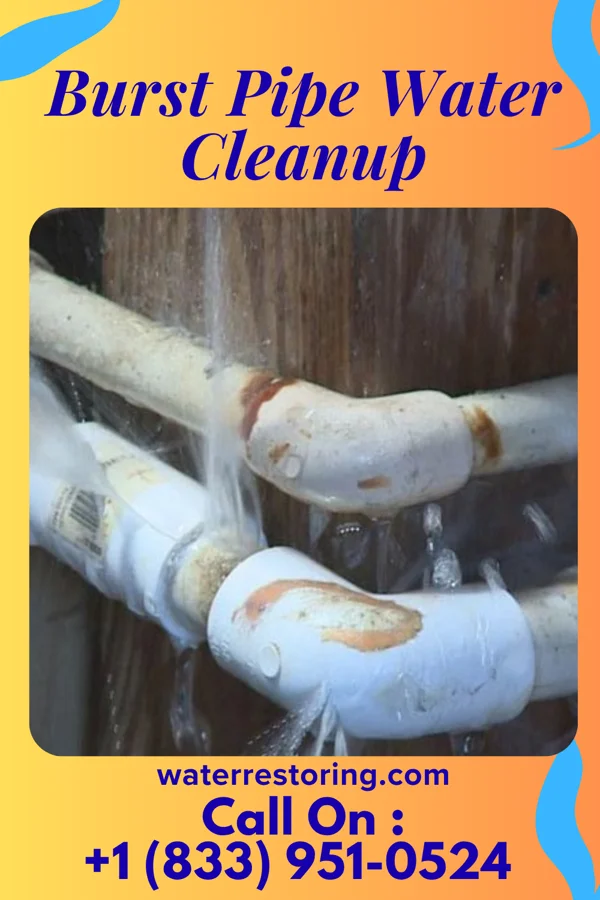
Dunlap Pipe Burst Risk Drivers
Water damage in Dunlap tends to cluster in predictable windows because of the local climate. Dunlap, Ohio, experiences a mix of rural and suburban infrastructure, which can lead to aging plumbing systems in older homes. The presence of multiple nearby towns like Dry Ridge, Ross, and New Baltimore increases the likelihood of shared water lines that may be prone to bursting during temperature fluctuations or heavy usage. A close second is The area's proximity to rural farmland and agricultural zones means that irrigation systems and underground water lines are more susceptible to damage from soil erosion or root intrusion. This can lead to unexpected pipe bursts, especially during spring thaw or heavy rainfall events..
Dunlap's climate, characterized by cold winters and warm summers, creates conditions where pipes are at risk of bursting due to freezing temperatures and sudden pressure changes. The region's seasonal weather patterns play a significant role in the frequency and severity of pipe bursts in residential and commercial properties.
Dunlap's climate, characterized by cold winters and warm summers, creates conditions where pipes are at risk of bursting due to freezing temperatures and sudden pressure changes. The region's seasonal weather patterns play a significant role in the frequency and severity of pipe bursts in residential and commercial properties. The dominant local driver is Dunlap, Ohio, experiences a mix of rural and suburban infrastructure, which can lead to aging plumbing systems in older homes. The presence of multiple nearby towns like Dry Ridge, Ross, and New Baltimore increases the likelihood of shared water lines that may be prone to bursting during temperature fluctuations or heavy usage., with The area's proximity to rural farmland and agricultural zones means that irrigation systems and underground water lines are more susceptible to damage from soil erosion or root intrusion. This can lead to unexpected pipe bursts, especially during spring thaw or heavy rainfall events. showing up as the next most common cause. Damage builds in stages. Spread. Absorption. Microbial growth. Structural compromise. Every stage you pass through adds to the final bill.